
The landscape of business transactions in Malaysia is experiencing a notable shift with the increasing adoption of e-invoicing systems https://aspert.com.my. As companies navigate the complexities of digital transformation, the implementation of e-invoicing emerges as a crucial element for operational efficiency and enhanced financial processes. However, the journey towards full integration is not without its hurdles, prompting businesses to evaluate strategies that ensure a smooth transition. In a realm where traditional practices intersect with cutting-edge technologies, the implications of e-invoicing implementation in Malaysia extend beyond mere digitization, hinting at a transformative wave reshaping the business ecosystem.
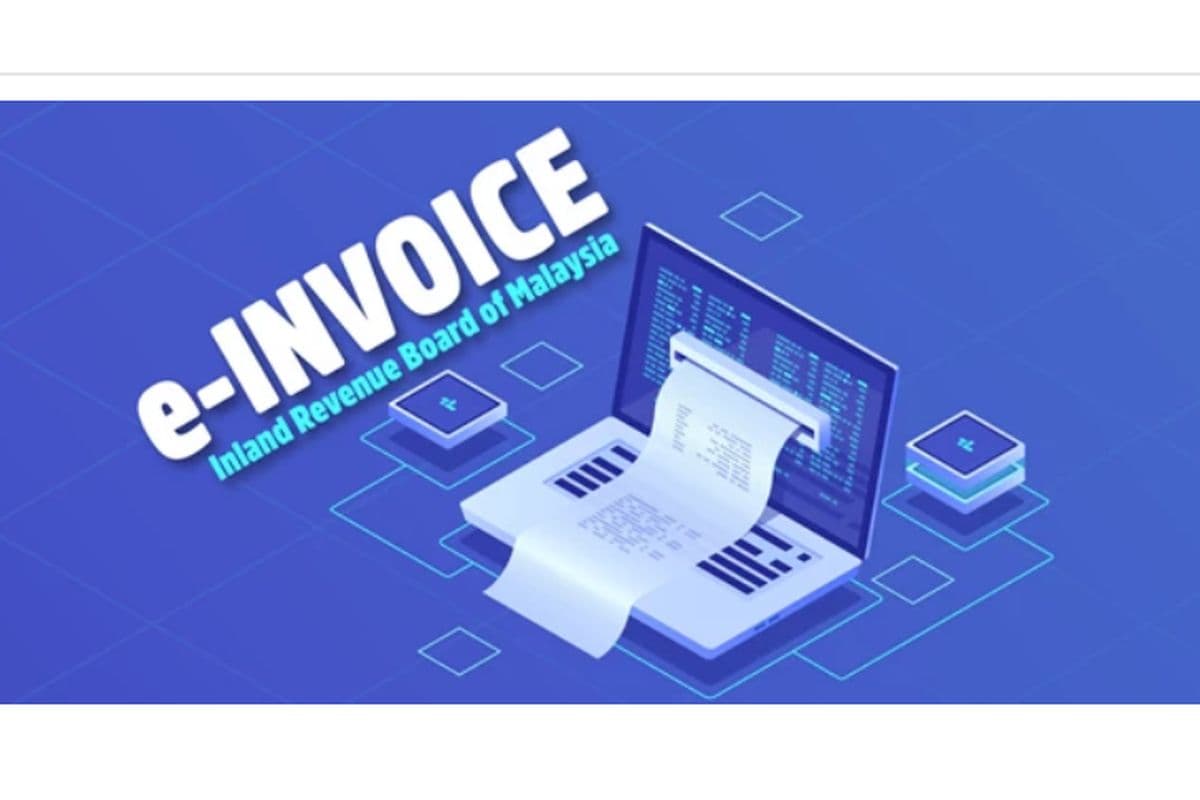
E-Invoicing Adoption in Malaysia
The gradual but steady increase in e-invoicing adoption among Malaysian businesses is indicative of a shifting trend towards digitalization and efficiency in financial processes. As businesses embrace e-invoicing systems, they are moving away from traditional paper-based methods towards more streamlined and automated processes. This transition allows for faster invoice processing, reduced errors, and improved transparency in financial transactions.
Malaysian companies are recognizing the benefits of e-invoicing, such as cost savings, enhanced security, and better compliance with regulatory requirements. By leveraging e-invoicing technology, businesses in Malaysia are positioning themselves for increased productivity and competitiveness in the digital age, paving the way for a more efficient and interconnected future.
Benefits of E-Invoicing System
Enhancing operational efficiency and financial transparency, the implementation of an e-invoicing system offers a range of strategic advantages for businesses in Malaysia.
Firstly, e-invoicing streamlines the invoicing process, reducing the time and resources required for manual data entry and processing. This efficiency leads to faster payment cycles and improved cash flow management.
Secondly, e-invoicing enhances accuracy by minimizing human errors commonly found in manual invoicing processes, thus reducing disputes and discrepancies.
Additionally, the digital nature of e-invoices facilitates easier tracking, monitoring, and retrieval of invoice data, enabling better decision-making and financial analysis.
Regulatory Framework and Compliance
Implementation of e-invoicing in Malaysia necessitates adherence to a comprehensive regulatory framework and stringent compliance standards to ensure seamless integration and legal compliance within the business environment. The regulatory framework includes guidelines set forth by the Royal Malaysian Customs Department and the Malaysian Internal Revenue Board. Businesses must comply with the requirements outlined in the Goods and Services Tax Act 2014 and the Income Tax Act 1967 to facilitate the smooth transition to e-invoicing.
Failure to meet these compliance standards can result in penalties and legal repercussions. Therefore, businesses must stay updated on regulatory changes, implement robust internal controls, and engage in regular audits to ensure adherence to the e-invoicing regulatory framework in Malaysia.
Challenges Faced by Businesses
Navigating the transition to e-invoicing in Malaysia poses various intricate challenges for businesses across different sectors. One major challenge is the initial investment required to adopt e-invoicing systems and ensure compatibility with existing accounting software.
Additionally, businesses may face resistance from employees who are accustomed to traditional invoicing methods, requiring comprehensive training and change management strategies.
Ensuring data security and compliance with regulatory requirements also present significant hurdles, especially for small and medium enterprises with limited resources. Moreover, the need to integrate e-invoicing with other digital systems within the organization can be complex and time-consuming.
Overcoming these challenges demands a strategic approach that encompasses technology, training, and organizational restructuring.
Implementation Strategies for SMEs
To effectively implement e-invoicing in small and medium enterprises (SMEs), it is crucial to focus on cost-effective solutions that cater to the budget constraints of these businesses.
Providing comprehensive training programs for SME staff is essential to ensure a smooth transition to e-invoicing practices.
Additionally, integrating e-invoicing systems with existing software and processes within SMEs can streamline operations and maximize efficiency.

Cost-Effective E-Invoicing Solutions
Implementing cost-effective e-invoicing solutions for small and medium enterprises (SMEs) requires a strategic approach that maximizes efficiency and minimizes financial burden. SMEs can opt for cloud-based e-invoicing platforms that offer scalable pricing models based on usage, avoiding high upfront costs.
Utilizing open-source e-invoicing software can also be a cost-effective solution, as it reduces licensing fees. Automation of invoicing processes can significantly cut down on manual labor costs and human errors, leading to long-term savings.
Additionally, integrating e-invoicing with existing accounting systems streamlines operations and eliminates the need for double data entry, further reducing costs. By carefully selecting and implementing these cost-effective e-invoicing solutions, SMEs can enhance their efficiency and competitiveness without breaking the bank.
Training for SME Staff
Training for SME staff is a critical component of successful e-invoicing implementation strategies. This ensures employees are equipped with the necessary skills and knowledge to effectively utilize the new system. Training sessions should cover not only the technical aspects of e-invoicing but also emphasize the importance of data security and compliance with regulatory requirements.
It is essential to tailor training programs to the specific needs of SMEs. This includes considering factors such as the size of the organization and the existing level of digital literacy among employees. Providing hands-on training, workshops, and access to online resources can help SME staff feel confident and empowered in using e-invoicing systems.
Continuous support and refresher courses should also be incorporated to ensure ongoing proficiency and adaptability.
Integration With Existing Systems
Streamlining the assimilation of e-invoicing systems with existing infrastructure poses a pivotal challenge for SMEs aiming to enhance operational efficiency and financial processes.
To effectively integrate e-invoicing, SMEs need to assess their current systems, identify compatibility issues, and plan for seamless transition. Implementing middleware solutions or utilizing e-invoicing platforms that offer easy integration APIs can facilitate this process.
Collaborating with experienced e-invoicing service providers can also provide valuable insights and support in aligning e-invoicing processes with existing systems. Moreover, conducting thorough testing and training sessions for staff on the new integrated system is crucial to ensure a smooth adoption process.
Future of E-Invoicing Technology
The future of e-invoicing technology holds a promise of enhanced efficiency through automation, streamlining processes for businesses of all sizes. This advancement signifies a shift towards digital transformation, where organizations can leverage technology to optimize their invoicing procedures.
Moreover, the evolution of e-invoicing technology is crucial for ensuring compliance with regulatory requirements, emphasizing the need for businesses to adapt to these changes for sustainable growth.
E-Invoicing Efficiency Advancements
In the realm of electronic invoicing, continual advancements in efficiency are paramount as organizations seek to streamline processes and enhance their technological capabilities for future growth and competitiveness.
One key efficiency advancement is the integration of artificial intelligence (AI) and machine learning algorithms into e-invoicing systems. These technologies can automate data extraction, categorization, and validation processes, reducing manual errors and saving time.
Additionally, the use of blockchain technology ensures secure and tamper-proof invoicing processes, enhancing trust and transparency.
Furthermore, the adoption of cloud-based e-invoicing solutions enables real-time access to invoicing data from anywhere, facilitating faster decision-making and collaboration.
Digital Transformation Impact
As organizations embrace the efficiency advancements driven by AI, machine learning, blockchain technology, and cloud-based solutions in e-invoicing, the future of e-invoicing technology is poised to undergo a significant digital transformation impact. AI and machine learning algorithms will enhance data accuracy, automate processes, and provide valuable insights for decision-making.
Blockchain technology will ensure secure, tamper-proof transactions, improving trust and transparency in invoicing processes. Cloud-based solutions will enable seamless integration, scalability, and accessibility for businesses of all sizes.
This convergence of technologies will revolutionize how e-invoicing is conducted, leading to streamlined operations, reduced errors, increased efficiency, and ultimately transforming the invoicing landscape to meet the evolving demands of the digital era.
Automation and Compliance
With the increasing emphasis on efficiency and accuracy in financial processes, the integration of automation and compliance measures is set to redefine the landscape of e-invoicing technology. Automation streamlines invoice generation, validation, and processing, reducing human errors and processing times.
By incorporating compliance measures within e-invoicing systems, businesses can ensure adherence to regulatory requirements, enhancing trust and transparency in financial transactions. Advanced technologies like artificial intelligence and machine learning enable real-time monitoring for compliance, flagging any anomalies or discrepancies promptly. This proactive approach not only minimizes risks but also strengthens the overall financial governance framework.
As e-invoicing continues to evolve, the synergy between automation and compliance will be pivotal in driving operational efficiency and maintaining regulatory alignment.
Impact on Malaysia’s Business Landscape
The integration of e-invoicing in Malaysia has reshaped the competitive landscape for businesses, introducing efficiency and transparency across various sectors. By streamlining invoicing processes, businesses can now experience faster payment cycles, reduced errors, and improved cash flow management.
This shift towards digital invoicing has also led to cost savings for companies, as they no longer need to bear the expenses associated with paper-based invoicing systems. Moreover, the enhanced data accuracy provided by e-invoicing allows for better decision-making and strategic planning.
Conclusion
In conclusion, the implementation of e-invoicing in Malaysia is reshaping the business landscape by enhancing operational efficiency, reducing errors, and improving financial transparency.
Despite challenges such as initial investment and data security concerns, SMEs can leverage cost-effective solutions and training programs for successful integration.
The convergence of advanced technologies like AI, machine learning, and blockchain is revolutionizing e-invoicing, leading to streamlined operations and increased efficiency in Malaysia.
