
In a bustling cosmopolitan city like Singapore, the ability to converse in Chinese extends far beyond mere linguistic proficiency; it serves as a gateway to unlocking a myriad of cultural nuances and daily intricacies chinese tutor. From the vibrant hawker centers to the bustling markets, the role of Mandarin in facilitating seamless interactions is undeniable. However, the true essence lies not just in the language itself but in the profound connections and insights it can offer into the rich tapestry of Singaporean life.
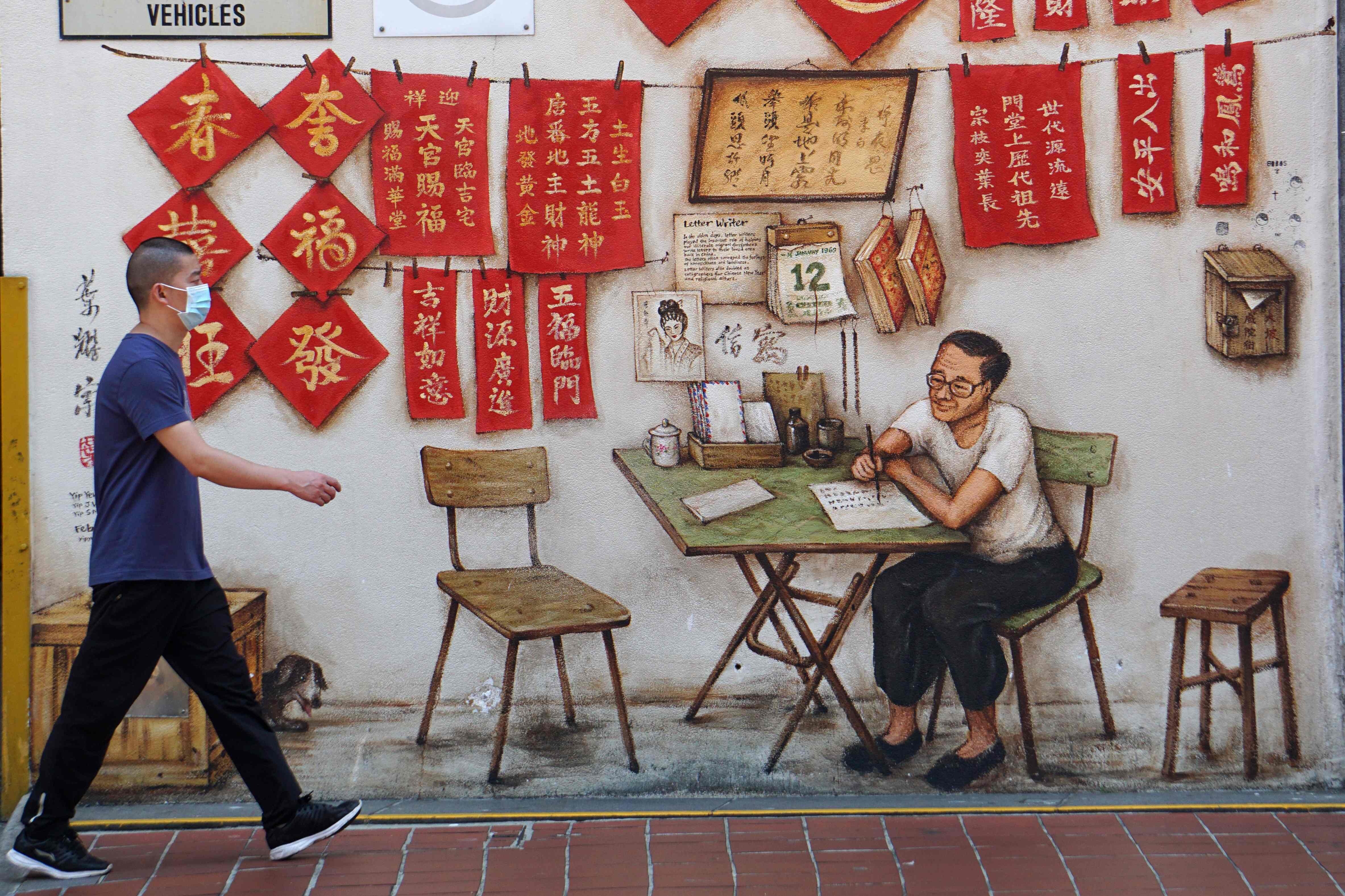
Benefits of Learning Chinese in Singapore
Learning Chinese in Singapore offers individuals a multitude of advantages that extend beyond mere language proficiency. Singapore’s status as a global business hub makes Mandarin a valuable asset for professionals seeking to enhance their career prospects. Proficiency in Chinese can open doors to opportunities in industries such as finance yanzi mandarin, trade, and technology where connections with Chinese-speaking clients or partners are crucial. Additionally, Singapore’s multicultural society provides a rich tapestry of experiences for those who speak Mandarin, enabling deeper connections with the local community and fostering cross-cultural understanding.
Furthermore, learning Chinese in Singapore can enhance cognitive abilities and improve brain function. Studies have shown that bilingual individuals exhibit better problem-solving skills, enhanced creativity, and improved multitasking abilities. Acquiring Mandarin can also boost memory retention and delay the onset of age-related cognitive decline. Therefore, investing time and effort in learning Chinese in Singapore not only enriches linguistic capabilities but also confers a range of cognitive and professional advantages.
Essential Mandarin Phrases for Daily Interactions
Proficiency in Mandarin not only enriches one’s linguistic capabilities but also equips individuals with the necessary tools to navigate daily interactions effectively. In Singapore, where Mandarin is widely spoken, mastering essential phrases can greatly facilitate communication.
Starting with greetings like ‘你好’ (nǐ hǎo) for ‘hello’ and ‘谢谢’ (xièxiè) for ‘thank you’ sets a positive tone. Simple phrases like ‘请问’ (qǐngwèn) for ‘excuse me’ and ‘对不起’ (duìbùqǐ) for ‘sorry’ demonstrate politeness. When seeking help or directions, ‘请问这里怎么走?’ (qǐngwèn zhèlǐ zěnme zǒu?) meaning ‘Excuse me, how do I get here?’ can be invaluable.
Additionally, knowing how to order food with ‘我要…’ (wǒ yào) for ‘I would like…’ and basic numbers for prices enhances dining experiences. These phrases form a foundation for daily interactions, empowering individuals to engage more confidently in various social contexts.
Navigating Singapore’s Cultural Etiquette
Understanding and adhering to Singapore’s cultural etiquette is essential for fostering positive interactions and relationships within the local community. Singapore is a diverse society with a mix of Chinese, Malay, Indian, and Western influences, which is reflected in its customs and traditions.
When greeting someone, a simple handshake is appropriate, but it is important to note that the Chinese may prefer a nod or a slight bow. It is also customary to address someone using their title and last name, followed by an honorific such as ‘Mr.’ or ‘Ms.’ Respect for elders is highly valued in Singaporean culture, so showing deference and using polite language is crucial when interacting with older individuals.
Gift-giving is a common practice in Singapore, especially during festivals or special occasions. When presenting a gift, it is polite to do so with both hands as a sign of respect. Additionally, it is customary to refuse a gift initially before accepting it to demonstrate modesty. Understanding and respecting these cultural nuances will help visitors navigate Singaporean society with ease and build harmonious relationships with locals.

Ordering Food and Shopping in Chinese
In the context of navigating Singapore’s cultural practices, a valuable skill to develop is the ability to communicate effectively while ordering food and shopping in Chinese. When ordering food in Singapore, knowing basic Mandarin or dialect phrases can enhance the dining experience. Polite phrases like ‘请给我…’ (qǐng gěi wǒ) meaning ‘please give me…’ or ‘谢谢’ (xièxiè) for ‘thank you’ are courteous and appreciated. Understanding the menu items in Chinese can also help in selecting dishes that cater to individual preferences.
Similarly, when shopping in Singapore, being able to converse in Chinese can be advantageous. Simple phrases like ‘多少钱?’ (duōshǎo qián) for ‘how much?’ or ‘可以刷卡吗?’ (kěyǐ shuā kǎ ma) meaning ‘can I pay by card?’ can facilitate transactions. Moreover, bargaining in Chinese at local markets or negotiating prices in Chinese-owned shops might lead to better deals.
Building Connections Through Language
Establishing meaningful connections through language is a fundamental aspect of fostering relationships and enhancing cultural understanding. Language serves as a bridge that connects individuals, enabling them to communicate, share experiences, and build bonds.
In a multicultural society like Singapore, where Chinese is widely spoken, the ability to converse in Chinese can play a significant role in building connections with others.
Language not only facilitates day-to-day interactions but also allows for a deeper appreciation of cultural nuances and traditions. By engaging in conversations in Chinese, individuals can gain insights into the beliefs, values, and customs of the Chinese community in Singapore. This exchange of language and culture fosters mutual respect and understanding among different ethnic groups, contributing to social cohesion and harmony.
Moreover, language proficiency can open doors to new opportunities, whether in social settings, professional environments, or personal relationships. People who are adept in Chinese have a greater advantage in establishing connections with a wider network of individuals, thereby expanding their social circles and enhancing their overall quality of life.
In essence, language serves as a powerful tool for building bridges and fostering connections that transcend cultural boundaries.
Conclusion
In conclusion, mastering Chinese for everyday life in Singapore offers numerous benefits, from enhancing daily interactions to navigating cultural norms. Understanding essential Mandarin phrases and cultural etiquette can facilitate smoother communication and build harmonious relationships.
Moreover, speaking Chinese allows individuals to connect on a deeper level, appreciate diverse customs, and explore new opportunities within the multicultural landscape of Singapore.
