Benefits Of Cider

The Cideries

Take every step into the world of ciders by tasting the ingredients that form your beautiful paradise.

Latest Blog Updates

Chiropodist vs Podiatrist: Understanding the Key Differences

If you’ve ever needed foot care, you might have wondered whether to see a chiropodist or a podiatrist. While the terms are sometimes used interchangeably chiropodist vs podiatrist, they actually refer to different types of specialists with distinct training and areas of expertise. Knowing these differences can help you make the right choice for your foot health, especially when dealing with more complex issues. But what exactly separates one from the other?

Chiropodist vs. Podiatrist: Understanding the Distinction

Chiropodist vs. Podiatrist: What’s the Difference?

Although the terms chiropodist and podiatrist are often used interchangeably, they refer to different qualifications and scopes of practice depending on where you live https://peoplepodiatry.com.au/. If you want the freedom to choose the right foot specialist, understanding this difference matters.

Chiropodists typically focus on treating common foot problems like corns, calluses, and nail issues.

Podiatrists, on the other hand, often have a broader role, addressing complex foot and ankle conditions, including surgery in some places.

Your location influences which term is used and what treatment you can expect. Knowing these distinctions empowers you to seek care that fits your needs without limits.

Training and Qualifications: How Chiropodists and Podiatrists Compare

How do the training paths of chiropodists and podiatrists differ? If you’re seeking foot care freedom, understanding these paths helps you choose wisely.

Chiropodists complete diplomas or degrees focused on foot health, often in shorter programs that get them ready to handle common foot issues.

Podiatrists, however, undergo more extensive education—typically earning a doctoral degree in podiatric medicine, followed by specialized residency training.

This means podiatrists can tackle more complex foot and ankle problems.

While both are qualified to treat your feet, podiatrists have broader medical and surgical training.

So, when you pick a specialist, consider how deep you want their expertise to be.

Both paths lead to skilled care, but your choice depends on the level of treatment freedom you desire.

When to See a Chiropodist or Podiatrist for Foot Care

Choosing between a chiropodist and a podiatrist often comes down to the type of foot care you need.

If you want general maintenance like nail trimming, callus removal, or routine foot checks, a chiropodist can help keep your feet healthy and pain-free.

But if you’re dealing with more complex issues—think structural problems, injuries, or chronic conditions—a podiatrist has the expertise to diagnose and treat those deeper concerns.

You shouldn’t wait until pain restricts your freedom; early care lets you stay active on your terms.

Listen to your feet and choose the right specialist to maintain your mobility and independence.

Taking action now means you’re in control, ready to move freely without limits.

Podiatrist vs. Orthopedic Doctor: Which Specialist Should You See? |  Podiatrists & Foot & Ankle Surgery located in Plano, TX | Restore Foot &  Ankle Specialists

Common Foot Conditions Treated by Chiropodists and Podiatrists

What foot problems can chiropodists and podiatrists help you with? Both specialists are skilled in diagnosing and treating a wide range of foot issues so you can move freely without pain.

Here are three common conditions they address:

  1. Plantar Fasciitis – They relieve heel pain caused by inflammation of the tissue connecting your heel to your toes.
  2. Ingrown Toenails – They treat and prevent painful nails digging into your skin, allowing you to walk comfortably.
  3. Flat Feet and Arch Problems – They provide support solutions like custom orthotics to restore your foot’s natural function.

Regional Differences in Chiropodist and Podiatrist Terminology

Understanding the foot conditions chiropodists and podiatrists treat gives you a clearer picture of their expertise. But it’s important to know that the terms themselves shift depending on where you are.

In countries like Canada and the UK, “chiropodist” is the common label for foot care specialists, while in the US and Australia, “podiatrist” takes center stage.

Don’t let the different names confuse you—they often refer to similar professions but with slight variations in training or scope. So when you’re seeking care, focus on the qualifications and services offered rather than just the title.

Conclusion

Now that you know the key differences between chiropodists and podiatrists, you can choose the right specialist for your foot care needs. If you’re dealing with common issues like calluses or nail problems, a chiropodist might be your go-to. But for more complex conditions or surgical needs, a podiatrist is better equipped. Understanding their training and expertise guarantees you get the best care tailored to your specific foot health.

Why Foot Pain Should Never Be Ignored

You might be tempted to dismiss foot pain as a minor annoyance, but that discomfort could be signaling something more serious mobile podiatrist for elderly near me. Ignoring it can lead to worsening issues that affect your mobility and overall health. Recognizing the symptoms early and understanding the potential causes can make all the difference. Before it impacts the rest of your body, it’s important to know when and how to take action.

When Foot Pain Is a Sign of Arthritis - What You Should Not Ignore - Pune  Foot Ankle

What Common Foot Pain Symptoms Should You Watch For

Although foot pain can sometimes seem minor, you shouldn’t ignore symptoms like persistent aching, sharp stabbing sensations, or swelling. These signs often indicate something more serious that needs your attention.

Pay close attention if you notice redness People Podiatry, warmth, or bruising, as these might signal inflammation or injury. Numbness or tingling can disrupt your freedom to move and should never be overlooked.

Also, watch for difficulty walking or pain that worsens with activity—your feet are meant to carry you effortlessly. By recognizing these common symptoms early, you can take control and avoid limitations.

Don’t let discomfort hold you back; responding quickly empowers you to maintain your active, unrestricted lifestyle. Your feet deserve care as much as your desire for freedom.

Which Health Issues Can Foot Pain Signal

When you notice persistent foot pain or unusual symptoms, it’s important to understand what underlying health issues might be causing them. Foot pain can signal conditions like arthritis, which causes joint inflammation and stiffness, limiting your movement. It might also indicate nerve problems, such as neuropathy, often linked to diabetes, affecting sensation and balance.

Circulatory issues, like peripheral artery disease, may reduce blood flow, causing pain and slow healing. Sometimes, foot discomfort points to infections or structural problems, such as plantar fasciitis or bunions, that need timely care. By recognizing these signals early, you can take control of your health and preserve your freedom to move without pain holding you back. Don’t ignore your feet—they tell a vital story about your overall well-being.

How Ignoring Foot Pain Affects Your Mobility

If you ignore foot pain, you risk limiting your mobility and independence. Foot discomfort might seem minor at first, but it can worsen, making walking, standing, or even moving around difficult.

When pain persists, you naturally adjust your movements to avoid discomfort, which can throw off your balance and strain other parts of your body. Over time, this compensation can lead to stiffness, muscle weakness, and reduced flexibility, further restricting your ability to stay active.

The longer you wait, the harder it becomes to maintain your usual pace and freedom. Don’t let foot pain hold you back from living the life you want. Addressing it early keeps you moving confidently, letting you enjoy every step without limits.

Foot Pain on Top of: 5 Common Causes You Must Never Ignore - Liv Hospital

When Is It Time to See a Doctor About Foot Pain?

You should see a doctor about foot pain if it lasts more than a few days or worsens despite rest and home care.

Don’t wait if the pain suddenly becomes severe or if you notice swelling, redness, or warmth, as these signs might indicate infection or injury needing prompt attention.

If you experience numbness, tingling, or difficulty walking, it’s time to get professional help to avoid limiting your freedom of movement.

Also, seek medical advice if you have an open wound, persistent bruising, or if the pain follows a traumatic event like a fall.

Your feet carry you through life—listening to their signals and acting quickly can keep you moving freely without unnecessary setbacks.

What Treatments Can Relieve Persistent Foot Pain

Although persistent foot pain can be frustrating, several effective treatments can help you find relief and regain comfort.

Start by resting and elevating your foot to reduce inflammation. Ice packs can ease swelling, while over-the-counter pain relievers tackle discomfort. Wearing supportive shoes or custom orthotics can correct alignment and prevent further strain.

Stretching exercises and physical therapy strengthen muscles and improve flexibility, giving you more freedom to move without pain. If your pain persists, your doctor might suggest corticosteroid injections or other medical interventions.

Conclusion

Don’t ignore your foot pain—it’s your body’s way of telling you something’s wrong. Paying attention to symptoms like persistent aching, numbness, or swelling helps you catch issues early before they worsen. If your pain affects walking or lasts more than a few days, see a doctor promptly. Taking action with proper care, supportive footwear, or treatment keeps you mobile, prevents complications, and protects your overall health. Your feet deserve that attention.

Why Rats Keep Coming Back (And How Repellents Can Stop Them)

Rats keep returning because dependable food, shelter, and scent-marked runways create predictable, defended territories that simple fixes do not remove rat repellent. Their nocturnal habits and social cues — pheromone trails, shared burrows, and learned routes — reinforce re‑infestation quickly. Effective control prioritizes sanitation, exclusion, and structural repair. Repellents can temporarily mask odors or create aversive zones to protect key areas while permanent fixes are made, but they are adjuncts. Continue for practical steps, monitoring tactics, and escalation guidance.

Best Rat Deterrents That Actually Work - Successful Way to Stop Rats From  Getting Inside

Why Rats Keep Coming Back: Food, Shelter, and Scent Trails

Rats return repeatedly because three basic needs are consistently met: accessible food, secure shelter, and persistent scent trails.

The species exploits stored food in basements https://igreenasia.com/, garages, and pantries, sensing predictable calories that reward risk.

Shelter is chosen for insulation and quiet; clutter and available nesting materials convert structures into safe havens.

Nocturnal activity minimizes human conflict, enabling steady foraging and reinforcement of paths.

Territorial marking and urine trails create a chemical map that guides newcomers and sustains local populations.

Control focuses on removing attractants: secure food storage, sealing entry points, and eliminating nesting resources.

Practical measures disrupt scent networks and reduce cover, denying rats the conditions that compel return and restoring autonomy over one’s property.

How Rat Behavior and Social Cues Drive Re‑Infestation

Exploit social learning and chemical communication, and infestation can reinitialize quickly: rat populations rely on communal cues—pheromone-marked runways, shared burrows, and observational learning—to locate resources and recruit conspecifics, so individual discoveries translate into colony-wide returns.

The interplay of colony hierarchy and social signals accelerates re‑infestation; dominant individuals guide movement, while subordinate members propagate cues.

Alarm vocalizations alert and disperse or consolidate groups, shaping avoidance or redistribution patterns.

Practical control must consider behavioral drivers rather than only targets.

  1. Target cues: disrupt pheromone trails and visual runways.
  2. Interrupt leaders: reduce influence of dominant explorers.
  3. Counter signals: mask alarm vocalizations and social calls.

Approaches that respect freedom prioritize reversible, nonpermanent behavioral interventions.

Sanitation and Exclusion Checklist That Actually Stops Return Visits

A focused sanitation and exclusion checklist concentrates on eliminating attractants, sealing access points, and maintaining deterrent conditions so that initial discoveries by foragers cannot be translated into permanent returns. The checklist prioritizes seasonal cleanup, routine waste control, and targeted structural repairs to deny food, water, and shelter; it empowers occupants to reclaim property boundaries and minimize repeat incursions.

Task Action
Remove food sources Secure bins, harvest fruit, eliminate spills
Seasonal cleanup Clear debris, trim vegetation, manage compost
Seal entries Close gaps, screen vents, repair doors
Structural repairs Fix foundations, patch holes, reinforce seams
Monitor & maintain Inspect monthly, document changes, schedule fixes

Consistent application preserves freedom of use and reduces dependence on reactive measures.

Easy Tips To Keep Rodents, Rats And Mice Out Of Your Cars Engine Bay

How Repellents Work and When to Use Them Alongside Other Methods

How do repellents function and when should they be integrated with sanitation and exclusion measures? Repellents alter rat behavior temporarily; scent based repellents mask food odors and create aversive zones, while ultrasonic devices introduce unsettling frequencies. They do not remove attractants or close entry points, so they serve as adjuncts, not replacements.

  1. Use repellents to protect high-value areas where immediate access must be limited.
  2. Combine with sanitation to eliminate food sources and with exclusion to seal entries for lasting effect.
  3. Monitor effectiveness and rotate products to reduce habituation; prioritize nonlethal options aligned with ethical freedom.

Applied strategically, repellents extend control options, buying time while structural fixes and cleanliness produce permanent freedom from return visits.

What to Do If Rats Return After Treatment: Testing, Escalation, and When to Call a Pro

Frequently, a return of rats after treatment signals incomplete elimination of attractants, gaps in exclusion, or failed products, and the response should begin with systematic testing to identify what persists.

A technician or homeowner should inspect traps daily, record locations, and monitor activity with simple logs or motion cameras to map patterns.

Reassess baiting strategy, seal entry points, and remove remaining food and shelter; if evidence shows persistent rodent traffic despite adjustments, escalate to more robust exclusion or integrated measures. Use repellents strategically, not as sole solution.

Call a professional when infestations span multiple structures, when signs suggest breeding on-site, or when legal or safety constraints limit DIY options. Professionals provide diagnostics, stronger interventions, and guarantees that preserve autonomy and peace of mind.

Conclusion

Rats return because familiar food, shelter, and scent cues persist; effective control thus combines sanitation, exclusion, monitoring, and targeted repellents rather than relying on a single fix. Practical, consistent actions—sealing entry points, removing attractants, disrupting scent trails, and using repellents as a temporary adjunct—prevent re‑infestation. If rodents reappear, reassess entry and food sources, test baiting and sealwork, escalate to more thorough exclusion, and consult a professional when DIY measures fail.

Why Mediwave Wound Care Centre Is Recommended for Wound Care Ipoh Treatment

In the growing healthcare landscape of Ipoh, Mediwave Wound Care Centre has become a widely recommended provider for wound care Ipoh services. 

Its reputation is built on consistent clinical outcomes, strong patient satisfaction, and a specialised focus on wound management. Over time, it has gained trust among patients seeking reliable, structured, and effective solutions for both acute and chronic wound conditions.


Comprehensive Treatment for Different Patient Needs

One of the key reasons behind the clinic’s recommendations is its ability to manage various wound types under one roof. This eliminates the need for patients to visit multiple healthcare providers, making it a convenient option for those searching for a wound care clinic near me.

Each case is handled with a customised treatment plan, ensuring that care is tailored to individual healing requirements.

  • Diabetic Ulcer: Specialised care focuses on infection control, moisture balance, and improving circulation to support slow-healing wounds and prevent complications.
  • Surgical Wound: Post-operative care includes proper dressing, monitoring for infection, and supporting safe, steady healing after medical procedures.
  • Accident Injury: Treatment targets trauma-related wounds with thorough cleaning, protection, and techniques to promote faster and safer recovery.
  • Chronic Ulcer: Long-term wound management using structured protocols to encourage healing in wounds that have not responded to standard care.
  • Minor Wound: Professional treatment for cuts and abrasions to ensure proper healing and reduce the risk of infection or delayed recovery.
  • Burn Injury: Gentle wound care focusing on protecting damaged skin, managing pain, and supporting tissue repair for effective healing.


Advanced Medical Technology for Better Outcomes

Mediwave incorporates advanced wound care techniques, including medical-grade dressings that promote faster tissue regeneration. 

These methods are supported by evidence-based protocols, ensuring that treatments are aligned with modern medical standards. Patients seeking wound care near me benefit from reduced healing time and a lower risk of complications.


Efficient Care That Saves Time and Cost

Another factor contributing to its strong reputation is efficiency. By applying appropriate treatment strategies from the start, the clinic helps reduce unnecessary follow-up visits. 

This not only speeds up recovery but also minimises long-term healthcare costs. This makes Mediwave a practical choice for individuals looking for effective yet cost-efficient wound care solutions.


Accessibility and Patient Convenience

Name: Mediwave Wound Care Centre

Address: 7, Jalan Jelapang 5, Jelapang Square, 30020 Ipoh, Perak

Phone: 010-9477004

Opening Hours: Monday to Saturday 9am-5pm (Closed on Sunday)

Website: https://mediwavewoundcare.com/

Conveniently located at Jelapang Square, the clinic offers easy access and ample parking for patients. With operating hours from Monday to Saturday, it provides flexible appointment options to suit busy schedules. 

For added convenience, home care services may also be available for patients who are unable to visit the clinic,  ensuring continuous treatment and better recovery support at home.


Conclusion

Mediwave Wound Care Centre continues to be recommended for wound care Ipoh treatment due to its comprehensive services, advanced techniques, and patient-centred approach. Its ability to deliver consistent healing outcomes makes it a reliable choice for those seeking professional wound care support.


Evaluating Lab Alliance Lab Water Systems for Laboratory Excellence

Lab Alliance Lab Water Systems are essential components in achieving laboratory excellence. Their advanced purification technologies Deionized water, including reverse osmosis and distillation, greatly enhance water quality. This, in turn, is crucial for the reliability of experimental outcomes. Additionally, the systems are designed to meet stringent FDA and EPA regulations, which minimizes the risks of impurities and cross-contamination. Understanding the specific features and benefits of these systems can illuminate their impact on laboratory operations and research integrity.

Lab Alliance: Reliable Laboratory Testing Services for Every Industry -  Grical

Overview of Lab Alliance Lab Water Systems

Lab Alliance Lab Water Systems are designed to meet the rigorous demands of laboratory environments, ensuring that high-purity water is readily available for various applications.

These systems provide a thorough solution for maintaining ideal lab water quality, vital for experiments and analyses requiring precise conditions. The purification process utilized in Lab Alliance systems typically involves multiple stages, including reverse osmosis, deionization, and filtration, each targeting specific contaminants to achieve desired purity levels.

This meticulous approach not only enhances the reliability of lab results but also prolongs the lifespan of lab equipment by minimizing potential damage from impurities.

Ultimately, Lab Alliance Lab Water Systems represent an essential investment for laboratories prioritizing accuracy, efficiency https://laballiance.com.my/, and safety in their operations.

Key Features of Lab Alliance Water Systems

The design of Lab Alliance Water Systems incorporates several key features that enhance their functionality and efficiency in laboratory settings. Central to these systems is the emphasis on water quality, achieved through advanced filtration technologies that remove contaminants effectively. This guarantees that the water meets stringent laboratory standards, vital for precise experimental results.

Additionally, system reliability is a critical aspect, with robust components and fail-safe mechanisms that minimize downtime and maintenance needs. The integration of real-time monitoring systems allows for continuous assessment of water purity and system performance, providing immediate alerts for any anomalies.

Such features collectively contribute to a dependable water supply, reinforcing the overall integrity of laboratory operations and enhancing research credibility.

Types of Water Purification Technologies Used

Water purification technologies employed in Lab Alliance systems encompass a variety of advanced methods designed to guarantee superior quality for laboratory applications.

Among these methods, reverse osmosis is a predominant technology, utilizing a semi-permeable membrane to remove ions, molecules, and larger particles from water, resulting in high-purity output.

Additionally, distillation methods are integral, where water is heated to a boiling point, allowing impurities to be separated as vapor and subsequently condensed back into liquid form.

This dual approach enhances the effectiveness of purification, ensuring that contaminants are minimized.

The Importance of Laboratory Quality and How to Achieve It | Lab Manager

Benefits of Pure Water in Laboratory Applications

Guaranteeing the use of pure water in laboratory applications is critical, as even trace contaminants can greatly impact experimental outcomes. High water quality is essential for achieving reliable and reproducible results, particularly in sensitive assays and analyses.

Contaminants such as ions, organic compounds, and microorganisms can interfere with chemical reactions, leading to erroneous data. Moreover, adherence to laboratory standards mandates the use of purified water to maintain compliance and guarantee the integrity of experiments.

Utilizing pure water minimizes the risk of cross-contamination, thereby enhancing the reliability of results. In addition, the performance of analytical instruments is optimized with high-quality water, reducing maintenance needs and prolonging equipment lifespan.

Consequently, the benefits of pure water are paramount for laboratory excellence.

Enhancing Laboratory Workflow Efficiency

Maximizing laboratory workflow efficiency involves the strategic implementation of processes and technologies that streamline tasks and minimize downtime.

Workflow optimization in laboratory settings can considerably enhance productivity by identifying bottlenecks and reallocating resources effectively.

Integrating process automation technologies, such as automated liquid handling and data management systems, reduces manual intervention, thereby lowering the potential for human error.

In addition, real-time monitoring and analytics facilitate immediate adjustments to ongoing processes, ensuring peak performance.

By employing these advanced methodologies, laboratories can achieve a more cohesive operational structure, which not only accelerates throughput but also enhances the accuracy of results.

Ultimately, these improvements contribute to a more efficient laboratory environment, fostering innovation and reliability in scientific research.

Compliance With Regulatory Standards

Although laboratories prioritize efficiency and productivity, compliance with regulatory standards remains a critical component of their operational framework. Adhering to regulatory requirements not only guarantees the integrity of laboratory results but also protects public health and safety.

Lab Alliance Lab Water Systems are designed to meet stringent guidelines set by authorities such as the FDA and EPA, making them integral to compliance. Regular compliance audits are essential for identifying potential gaps and guaranteeing that water quality meets established standards.

These audits assess the effectiveness of purification processes and system maintenance, providing a systematic approach to uphold regulatory mandates. Consequently, laboratories employing Lab Alliance systems can navigate regulatory landscapes with confidence, ultimately supporting their commitment to excellence in research and testing.

Case Studies: Success Stories With Lab Alliance Systems

When examining the impact of Lab Alliance Lab Water Systems, various case studies illustrate their effectiveness in diverse laboratory environments.

These real-world applications highlight the systems’ ability to enhance laboratory efficiency and guarantee high-quality water for critical processes.

  • A pharmaceutical company reported a 30% reduction in downtime due to improved water quality, leading to increased productivity.
  • An academic research facility documented a significant decrease in reagent inconsistencies, attributing this success to the reliability of Lab Alliance systems.
  • Customer testimonials consistently emphasize the systems’ straightforward integration into existing workflows, underscoring their user-friendly design.

These examples collectively affirm Lab Alliance Lab Water Systems’ role in optimizing laboratory operations while meeting stringent quality standards, ultimately contributing to research advancements.

Conclusion

To sum up, Lab Alliance Lab Water Systems exemplify the integration of advanced purification technologies and regulatory compliance, greatly enhancing laboratory operations. Their robust design and real-time monitoring capabilities not only minimize contamination risks but also guarantee the delivery of high-quality water essential for precise experimental outcomes. By investing in these systems, laboratories can achieve operational efficiency and foster reliability in research findings, ultimately contributing to the advancement of scientific knowledge and innovation.

The Benefits of Nail Trimming and How to Do It Properly

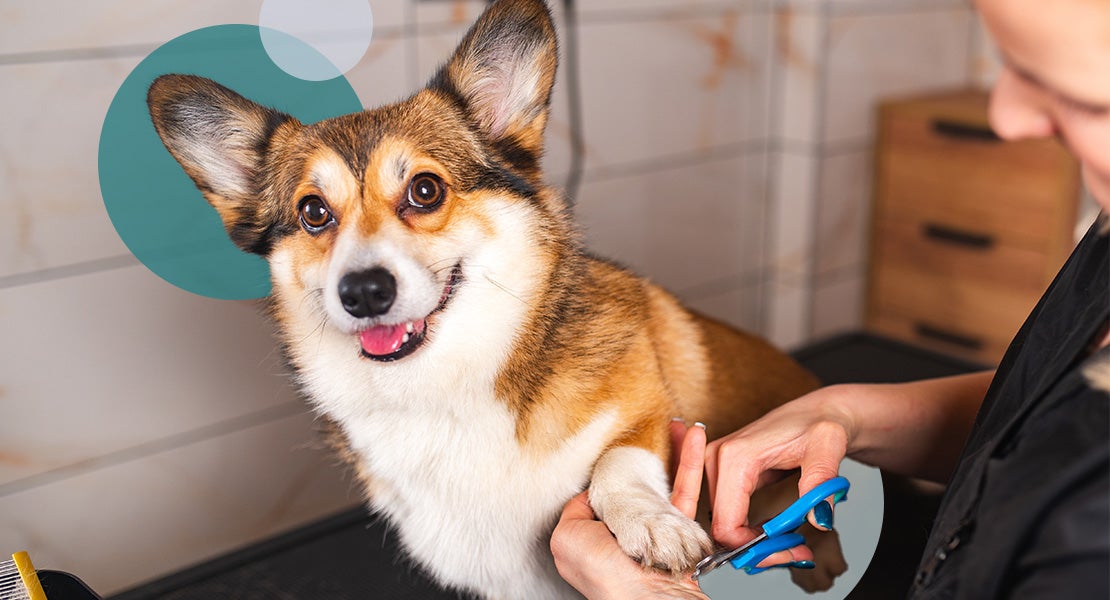
Learn why nail trimming is essential for your pet’s health and how to do it correctly.

Discover the benefits of maintaining short nails pet grooming, from preventing painful problems to safeguarding your furniture and floors.

Master the proper techniques for a stress-free experience for you and your furry friend.

How to Trim Dog Nails in 5 Simple Steps

Importance of Nail Trimming

Regularly trimming nails is essential for maintaining the health and comfort of your pet. Long nails can cause discomfort and even pain, making it difficult for your furry friend to walk or run freely. When nails grow too long, they can curl under and pierce the paw pads starlux pet universe, leading to infections and mobility issues.

Health Benefits for Pets

Proper nail trimming for pets contributes to their overall health and well-being by preventing discomfort and complications associated with overgrown nails. When a pet’s nails grow too long, they can curl under and pierce the paw pads, leading to pain and potential infections. Long nails also affect the pet’s posture and make it harder for them to walk properly, causing joint issues.

Preventing Painful Issues

Pets should routinely have their nails trimmed to prevent painful issues that can arise from overgrown nails. If left untrimmed, nails can grow too long, leading to discomfort for the pet. Overgrown nails may curl into the paw pads, causing pain and potential infections.

Additionally, long nails can alter the pet’s posture, leading to joint pain and difficulty walking. Regular nail trimming helps maintain the proper length, preventing these issues. By keeping their pet’s nails at the appropriate length, owners can ensure their furry companions move comfortably and avoid unnecessary pain.

Being proactive about nail care not only benefits the pet’s physical well-being but also promotes a happy and active lifestyle.

Protecting Furniture and Floors

One must regularly trim their pet’s nails to protect furniture and floors from scratches and damage. Long nails can easily snag on carpets, upholstery, and wooden surfaces, causing tears, scratches, and unwanted wear and tear.

By keeping your pet’s nails trimmed, you can significantly reduce the risk of these issues occurring. This simple task not only benefits your home but also helps maintain a harmonious living environment for both you and your furry friend.

Regular nail trimming ensures that your pet’s claws remain at a safe length, preventing any accidental damage to your furniture and floors. It’s a small effort that goes a long way in safeguarding your belongings and creating a peaceful space for all inhabitants.

How to Make Trimming Your Dog's Nails Easy and Safe

Proper Nail Trimming Techniques

To effectively trim your pet’s nails, start by gently restraining them in a comfortable position. Choose a quiet and well-lit area to perform the task.

Hold the paw firmly but gently, and use sharp, guillotine-style clippers to cut the nail at a slight angle. Be cautious of the quick, the pink area within the nail that contains blood vessels and nerves. If accidentally cut, it can cause bleeding and discomfort.

Trim small amounts at a time, checking the cut surface for any signs of the quick. Reward your pet with treats and praise after each successful trim to create a positive association.

If unsure, seek guidance from a professional groomer or veterinarian.

Conclusion

Overall, nail trimming is a crucial part of pet care that offers numerous benefits. By regularly trimming your pet’s nails, you can prevent painful issues, protect your furniture and floors, and promote their overall health and well-being.

Remember to use proper techniques and tools to ensure a safe and comfortable experience for your furry friend. Don’t neglect this important task, and keep those nails neat and tidy for a happy and healthy pet.

The Impact of Malaysian Culture on Pet Grooming Curriculum

Discover how Malaysian culture shapes pet grooming education in a unique way.

From historical influences to modern adaptations, you’ll explore the impact of traditions on grooming techniques and customer service cat grooming course malaysia.

Dive into the rich tapestry of Malaysian values woven into pet grooming curriculum and witness the fusion of cultural heritage with contemporary trends.

Pet Industry Trends In Malaysia

Historical Roots of Pet Grooming in Malaysia

How did pet grooming practices evolve in Malaysia over time?

Well, back in the day, pet grooming in Malaysia was a simple affair. It was all about functionality, just keeping your furry friends clean and healthy Pet Universe Cosmos.

But as time passed, people started embracing creativity and self-expression, even for their pets. Grooming techniques became more sophisticated, with intricate designs and fancy styles becoming the norm. Malaysians began to see pet grooming as a form of art, a way to showcase their individuality and personality.

Today, pet grooming in Malaysia is a colorful tapestry of tradition and modernity, where pets are pampered and styled to perfection, reflecting the diverse and vibrant culture of the country.

Cultural Values Reflected in Curriculum

Continuing from the evolution of pet grooming practices in Malaysia, you can now observe how cultural values intricately weave through the pet grooming curriculum. Malaysian cultural values such as respect for animals, harmony with nature, and attention to detail are prominent in the curriculum.

The emphasis on patience and gentle handling reflects the Malaysian belief in kindness towards all living creatures. Additionally, the incorporation of traditional grooming techniques passed down through generations showcases the value placed on heritage and preserving cultural practices.

Influence on Grooming Techniques

By incorporating traditional Malaysian grooming techniques, you enhance your skills and understanding of pet grooming practices. These techniques often focus on natural remedies and gentle approaches, which can benefit both you and the pets you groom.

For example, using coconut oil for moisturizing coats or pandan leaves for a soothing bath can provide holistic care for the animals. Additionally, Malaysian grooming emphasizes patience and building trust with the pets, ensuring a positive grooming experience.

Cara Memulakan Bisnes Pet shop (Panduan Ringkas 2024)

Customer Service Strategies and Etiquette

Enhance your customer service skills by incorporating Malaysian cultural values into your pet grooming interactions. Begin by greeting customers warmly with a smile, demonstrating respect and hospitality. Show attentiveness by actively listening to their preferences and concerns regarding their pets.

In Malaysian culture, politeness and humility are highly regarded, so always address customers with courtesy and humility. When handling customer complaints, approach them with a calm and understanding demeanor, aiming to resolve issues amicably.

Emphasize the importance of building long-term relationships with customers through sincerity and trustworthiness. By integrating these cultural values into your customer service strategies, you can create a more welcoming and enriching experience for both pet owners and their furry companions.

In the Malaysian culture, incorporating modern trends in grooming practices can significantly enhance your pet grooming curriculum. Embracing new techniques like creative grooming, Asian fusion styles, or eco-friendly products can set your services apart and attract a broader clientele.

Stay updated on the latest grooming tools, such as high-velocity dryers or ergonomic shears, to improve efficiency and pet comfort. Incorporating digital platforms for booking appointments or showcasing your work can streamline your business operations and reach tech-savvy customers.

Conclusion

Overall, the impact of Malaysian culture on pet grooming curriculum is evident in the historical roots, cultural values, grooming techniques, customer service strategies, and adaptation to modern trends.

By incorporating these elements into the curriculum, groomers are able to provide a unique and culturally rich experience for both pets and their owners.

Embracing these influences not only enhances the grooming process but also strengthens the bond between pets and their caregivers in Malaysia.

7 Early Signs Your Pet May Need a Health Check

Discovering early signs that your pet may need a health check is crucial for ensuring their well-being. From changes in appetite to behavioral shifts, recognizing these indicators can lead to timely intervention and improved outcomes.

By staying attuned to your pet’s health pet hospital, you empower yourself to address concerns proactively and provide them with the care they deserve. Learn about the seven early signs to watch for in this informative article.

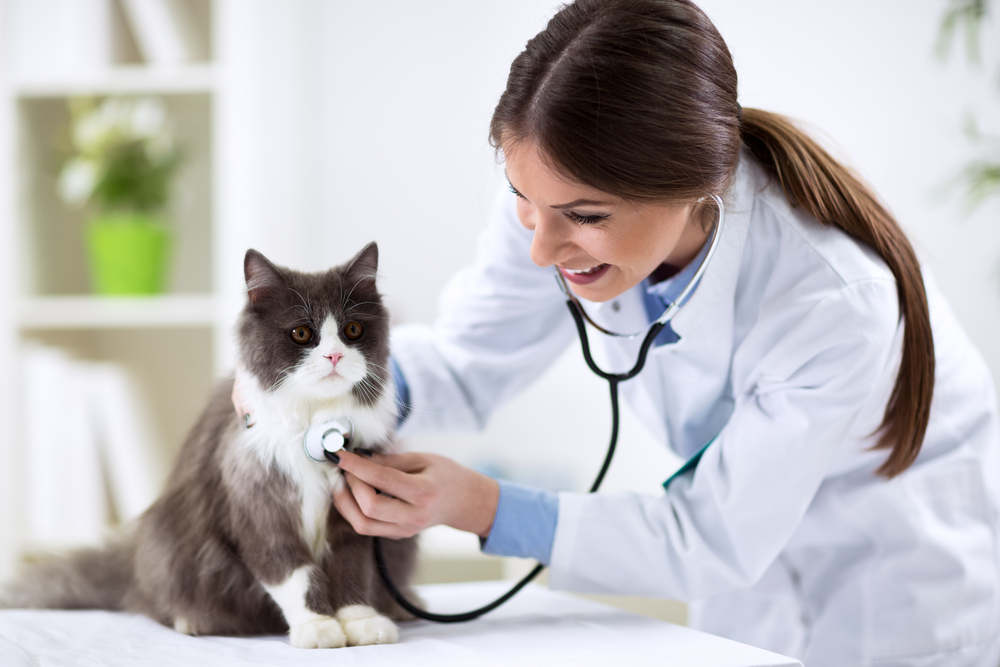
Do I Need To Bring My Pet Cat For An Annual Check-Up? | Toorak Vets

Changes in Appetite

When observing changes in appetite in your pet, it is essential to consider potential underlying health issues that may require veterinary attention. A decrease in appetite could indicate various issues such as dental problems, gastrointestinal disorders, or even systemic illnesses. On the other hand, an increase in appetite could be a sign of conditions like diabetes or hyperthyroidism.

Monitoring your pet’s eating habits is crucial as it can provide valuable insights into their overall well-being. If you notice any significant changes in your pet’s appetite, it is advisable to consult with a veterinarian promptly. Early detection and intervention can help address potential health concerns effectively, ensuring your pet’s freedom to live a healthy and happy life.

Unexplained Weight Loss

When pets experience unexplained weight loss, it can be a concerning sign that something may be wrong.

Sudden weight loss in pets can be attributed to various underlying health issues, such as thyroid problems, parasites, or even cancer.

Understanding the reasons behind weight loss is crucial in ensuring early detection and prompt treatment to improve your pet’s well-being.

Sudden Weight Loss Cause

The sudden weight loss in pets can be indicative of underlying health issues that warrant prompt veterinary evaluation. Unexplained weight loss is a concerning symptom that should not be ignored.

Various factors could contribute to sudden weight loss in pets, such as dental problems, parasites, diabetes, hyperthyroidism, or even cancer. It is essential to monitor your pet’s weight regularly and consult a veterinarian if you notice any unexpected changes.

A thorough examination, including blood tests and diagnostic imaging, may be necessary to determine the underlying cause of the weight loss. Early detection and intervention are crucial in addressing potential health issues and ensuring the well-being of your beloved pet.

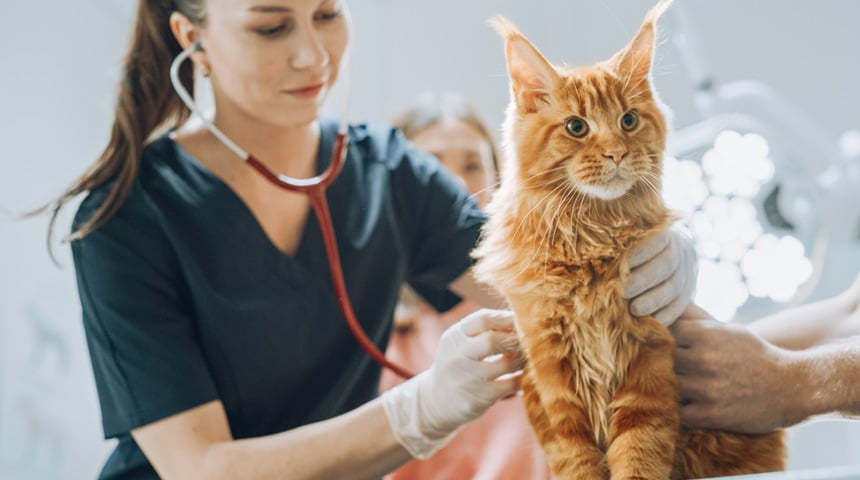
The Importance of your Cat's Annual Check-up - Vet et Nous

Weight Loss – Why?

Unexplained weight loss in pets can signal underlying health issues that necessitate veterinary attention. While some weight loss can be attributed to a change in diet or increased exercise, significant and unexplained weight loss in pets should not be overlooked.

Rapid weight loss in pets could be indicative of various health problems such as parasites, diabetes, hyperthyroidism, dental issues, or even cancer. These conditions can lead to a decrease in appetite, changes in metabolism, or nutrient malabsorption, resulting in weight loss.

It is crucial to monitor your pet’s weight and consult a veterinarian if you notice unexplained weight loss, as early detection and treatment of the underlying cause can significantly improve your pet’s health and well-being.

Lethargy or Lack of Energy

Symptoms of lethargy or lack of energy in pets can indicate underlying health issues that require prompt attention. While every pet may have a lazy day, persistent fatigue could signal something more serious. Causes of lethargy in pets may range from simple issues like poor diet or lack of exercise to more severe concerns such as infections, anemia, or organ dysfunction.

Observing changes in your pet’s activity levels, playfulness, and overall demeanor is crucial in identifying potential health problems early on. If your pet seems unusually tired or disinterested in activities they once enjoyed, consulting with a veterinarian for a thorough health check is advisable. Addressing lethargy promptly can help ensure your furry companion receives the necessary care and treatment they need.

Persistent Vomiting or Diarrhea

If your pet is experiencing persistent vomiting or diarrhea, it could be a sign of underlying health issues that warrant immediate attention. While occasional gastrointestinal upset can be common in pets, persistent symptoms can indicate more serious conditions such as infections, dietary indiscretions, parasites, or organ dysfunction.

Vomiting or diarrhea that lasts for more than 24 hours, is accompanied by other symptoms like lethargy or lack of appetite, or contains blood or abnormal materials requires prompt veterinary evaluation. Dehydration is a significant concern with prolonged vomiting or diarrhea, so it’s crucial to seek medical advice promptly.

Your veterinarian can conduct tests to determine the underlying cause and provide appropriate treatment to help your pet recover quickly and comfortably.

Abnormal Breathing Patterns

When observing your pet for signs that may necessitate a health check, abnormal breathing patterns can serve as crucial indicators. Rapid, shallow breaths, whejsoning, or coughing are signals that warrant prompt attention from a veterinarian.

Monitoring your pet’s respiratory behavior can aid in early detection of potential health issues.

Rapid, Shallow Breaths

The rapid, shallow breaths exhibited by your pet could indicate abnormal breathing patterns that warrant immediate veterinary attention. Pets typically have a consistent breathing pattern, so any noticeable changes should be taken seriously.

Rapid, shallow breaths may signal underlying health issues such as respiratory problems, heart conditions, or pain. These abnormal breathing patterns can be a sign of distress or discomfort in your pet and should not be ignored.

If you observe your pet experiencing rapid, shallow breaths, it is crucial to seek prompt veterinary care to determine the underlying cause and provide appropriate treatment. Early detection and intervention can significantly improve the outcome for your beloved companion, ensuring their well-being and quality of life.

Wheezing or Coughing

Continuing from the previous subtopic on rapid, shallow breaths, wheezing or coughing in pets may also indicate abnormal breathing patterns that necessitate veterinary evaluation for potential underlying health concerns.

Wheezing, characterized by a high-pitched whistling sound during breathing, can signal issues such as asthma, allergies, or respiratory infections. On the other hand, persistent coughing in pets could be a sign of various conditions like heart disease, pneumonia, or kennel cough.

It is crucial not to dismiss these symptoms as minor annoyances, as they could be early indicators of more severe health issues. If your pet is wheezing or coughing consistently, seeking prompt veterinary care is vital to ensure their well-being and address any potential health issues promptly.

Skin or Coat Changes

Observing changes in your pet’s skin or coat can indicate underlying health issues that require attention. Healthy skin should be smooth and free of irritation, while a shiny, full coat is a sign of good overall health.

If you notice your pet’s skin becoming dry, flaky, or excessively oily, or if their coat is dull, thinning, or has bald patches, it could be a red flag. Skin redness, rashes, lumps, bumps, or sores that don’t heal should also be examined by a veterinarian.

These changes might be caused by allergies, parasites, infections, or hormonal imbalances. Regular grooming and checking your pet’s skin and coat can help you catch any issues early and ensure your furry friend stays happy and healthy.

Behavioral Changes

What behavioral cues might indicate that your pet needs a health check?

Changes in your pet’s behavior can often be early indicators of underlying health issues. If your typically energetic dog becomes lethargic, if your friendly cat suddenly becomes aggressive, or if your pet starts exhibiting excessive thirst or changes in eating habits, these could all be signs that something is amiss.

Additionally, any unexplained weight loss, increased vocalization, excessive scratching or licking, or sudden changes in litter box habits should not be ignored. Pets can’t communicate in words, so they rely on us to notice these behavioral changes and take action.

A prompt health check by a veterinarian can help identify and address any potential health concerns before they escalate.

Conclusion

In conclusion, recognizing the early signs of potential health issues in pets is crucial for their well-being. Changes in appetite, weight loss, lethargy, vomiting, abnormal breathing, skin/coat changes, and behavioral changes are all indicators that your pet may need a health check.

It is important to monitor your pet’s behavior and physical condition closely, and seek veterinary attention promptly if any of these signs are present.

Canned Cat Food: Benefits and Top Picks

In the world of feline nutrition, canned cat food stands out for its numerous benefits. These include higher moisture content and enhanced palatability.

This article delves into the advantages of incorporating canned food into your cat’s diet dry food. It also showcases some of the top picks available in the market.

By providing insights and recommendations, readers can make informed decisions to ensure their beloved feline companions receive the best nutrition possible.

10 Best Healthy Canned, Soft, & Wet Cat Food 2024 - Cats.com

Benefits of Canned Cat Food

Discussing the consumption of canned cat food offers numerous benefits for feline health and well-being. Unlike dry kibble, canned cat food contains higher moisture content, which helps ensure that cats stay hydrated, especially those who may not drink enough water pet nourish. This increased moisture intake can aid in preventing urinary tract issues and kidney problems, common concerns in feline health.

Moreover, canned cat food is often richer in protein, essential for muscle growth and maintenance, and lower in carbohydrates, which can be beneficial for weight management and digestive health. The texture of canned cat food is also easier for cats to chew, making it a suitable option for kittens, senior cats, or those with dental problems.

Additionally, many high-quality canned cat foods offer a variety of flavors and formulations, catering to different dietary preferences and requirements. Overall, incorporating canned cat food into a feline’s diet can contribute significantly to their overall health and quality of life.

Higher Moisture Content

The higher moisture content in canned cat food significantly benefits feline hydration and overall health. Cats are naturally designed to obtain most of their water intake from their food, and canned cat food provides an excellent way to ensure they stay adequately hydrated. This is particularly beneficial for cats that may not drink enough water from a bowl. Adequate hydration is essential for maintaining healthy kidney function, promoting proper digestion, and supporting overall well-being in felines.

With canned cat food typically containing around 70-80% moisture content, compared to dry cat food which only contains about 10% moisture, it can help prevent issues such as urinary tract infections and kidney disease. The increased moisture content also contributes to a smoother digestion process, reducing the risk of constipation and promoting gastrointestinal health. By incorporating canned cat food with higher moisture content into your feline’s diet, you are taking a proactive step towards ensuring their hydration needs are met, ultimately benefiting their overall health and quality of life.

Improved Palatability

With its enhanced moisture content, canned cat food not only promotes hydration but also boasts improved palatability, making it a favorable choice for finicky felines. The increased moisture in canned cat food helps mimic a cat’s natural diet, which primarily consists of prey animals with high water content. This higher moisture level not only aids in preventing urinary tract issues and promoting kidney health but also enhances the taste and aroma of the food, enticing even the pickiest eaters.

The improved palatability of canned cat food is particularly beneficial for cats with dental issues or those who have lost their sense of smell. The moist texture of the food makes it easier for cats with dental problems to eat comfortably, while the stronger scent appeals to cats with reduced olfactory abilities. Additionally, the variety of flavors and textures available in canned cat food can cater to different tastes, ensuring that even the most discerning cats find something they enjoy. Ultimately, the enhanced palatability of canned cat food not only makes mealtime more enjoyable for cats but also provides essential nutrients in a form that they love.

10 Best Cat Foods: We Tested Them All

Top Picks in the Market

Some top-rated selections of canned cat food in the market showcase premium quality ingredients and diverse flavor profiles. Brands like Wellness CORE Grain-Free Pate for Cats offer grain-free options packed with high-protein content from real meat sources like turkey or chicken.

Another top pick is Royal Canin’s Veterinary Diet Urinary SO, which caters to cats with urinary tract issues, providing a specialized formula recommended by veterinarians.

For those seeking organic choices, Castor & Pollux Organix Grain-Free Cat Food is a popular option, made with free-range chicken and formulated without synthetic fertilizers or chemical pesticides.

Fancy Feast Classic Pate Collection is a favorite among cats for its smooth texture and an array of flavors like salmon, chicken, and beef.

Lastly, Ziwi Peak Canned Cat Cuisine stands out for its air-dried recipes sourced from New Zealand, ensuring high-quality, ethically raised ingredients.

These top picks cater to various dietary needs and preferences, offering a range of options for cat owners seeking the best for their feline companions.

Making an Informed Decision

In exploring the diverse range of top-rated canned cat food options, discerning cat owners can make informed decisions based on their feline companion’s specific dietary requirements and taste preferences. To ensure that the chosen canned cat food meets the nutritional needs of their pets, owners should carefully examine the ingredient list. Opting for products that list high-quality proteins like chicken, turkey, or fish as the primary ingredients can provide essential nutrients for feline health. Additionally, considering factors such as the cat’s age, activity level, and any special dietary restrictions can help tailor the choice to their individual needs.

Moreover, researching brands known for their commitment to producing balanced and nutritious cat food can offer peace of mind to conscientious pet owners. Reading reviews and seeking recommendations from trusted sources can also aid in the decision-making process. Ultimately, by prioritizing their cat’s well-being and investing time in understanding the options available, owners can confidently select a canned cat food that aligns with their pet’s health requirements and taste preferences.

Conclusion

In conclusion, canned cat food offers benefits such as higher moisture content and improved palatability for feline companions.

When selecting the best option in the market, it is important to consider factors such as ingredients and nutritional value to make an informed decision.

Ultimately, providing cats with canned food can contribute to their overall health and well-being.

Chinese for Everyday Life in Singapore


In a bustling cosmopolitan city like Singapore, the ability to converse in Chinese extends far beyond mere linguistic proficiency; it serves as a gateway to unlocking a myriad of cultural nuances and daily intricacies chinese tutor. From the vibrant hawker centers to the bustling markets, the role of Mandarin in facilitating seamless interactions is undeniable. However, the true essence lies not just in the language itself but in the profound connections and insights it can offer into the rich tapestry of Singaporean life.

In Singapore, a search for a Chinese identity with a little less China |  South China Morning Post

Benefits of Learning Chinese in Singapore

Learning Chinese in Singapore offers individuals a multitude of advantages that extend beyond mere language proficiency. Singapore’s status as a global business hub makes Mandarin a valuable asset for professionals seeking to enhance their career prospects. Proficiency in Chinese can open doors to opportunities in industries such as finance yanzi mandarin, trade, and technology where connections with Chinese-speaking clients or partners are crucial. Additionally, Singapore’s multicultural society provides a rich tapestry of experiences for those who speak Mandarin, enabling deeper connections with the local community and fostering cross-cultural understanding.

Furthermore, learning Chinese in Singapore can enhance cognitive abilities and improve brain function. Studies have shown that bilingual individuals exhibit better problem-solving skills, enhanced creativity, and improved multitasking abilities. Acquiring Mandarin can also boost memory retention and delay the onset of age-related cognitive decline. Therefore, investing time and effort in learning Chinese in Singapore not only enriches linguistic capabilities but also confers a range of cognitive and professional advantages.

Essential Mandarin Phrases for Daily Interactions

Proficiency in Mandarin not only enriches one’s linguistic capabilities but also equips individuals with the necessary tools to navigate daily interactions effectively. In Singapore, where Mandarin is widely spoken, mastering essential phrases can greatly facilitate communication.

Starting with greetings like ‘你好’ (nǐ hǎo) for ‘hello’ and ‘谢谢’ (xièxiè) for ‘thank you’ sets a positive tone. Simple phrases like ‘请问’ (qǐngwèn) for ‘excuse me’ and ‘对不起’ (duìbùqǐ) for ‘sorry’ demonstrate politeness. When seeking help or directions, ‘请问这里怎么走?’ (qǐngwèn zhèlǐ zěnme zǒu?) meaning ‘Excuse me, how do I get here?’ can be invaluable.

Additionally, knowing how to order food with ‘我要…’ (wǒ yào) for ‘I would like…’ and basic numbers for prices enhances dining experiences. These phrases form a foundation for daily interactions, empowering individuals to engage more confidently in various social contexts.

Understanding and adhering to Singapore’s cultural etiquette is essential for fostering positive interactions and relationships within the local community. Singapore is a diverse society with a mix of Chinese, Malay, Indian, and Western influences, which is reflected in its customs and traditions.

When greeting someone, a simple handshake is appropriate, but it is important to note that the Chinese may prefer a nod or a slight bow. It is also customary to address someone using their title and last name, followed by an honorific such as ‘Mr.’ or ‘Ms.’ Respect for elders is highly valued in Singaporean culture, so showing deference and using polite language is crucial when interacting with older individuals.

Gift-giving is a common practice in Singapore, especially during festivals or special occasions. When presenting a gift, it is polite to do so with both hands as a sign of respect. Additionally, it is customary to refuse a gift initially before accepting it to demonstrate modesty. Understanding and respecting these cultural nuances will help visitors navigate Singaporean society with ease and build harmonious relationships with locals.

12,200+ Singapore China Town Stock Photos, Pictures & Royalty-Free Images -  iStock | Singapore chinatown, Singapore little india, Singapore culture

Ordering Food and Shopping in Chinese

In the context of navigating Singapore’s cultural practices, a valuable skill to develop is the ability to communicate effectively while ordering food and shopping in Chinese. When ordering food in Singapore, knowing basic Mandarin or dialect phrases can enhance the dining experience. Polite phrases like ‘请给我…’ (qǐng gěi wǒ) meaning ‘please give me…’ or ‘谢谢’ (xièxiè) for ‘thank you’ are courteous and appreciated. Understanding the menu items in Chinese can also help in selecting dishes that cater to individual preferences.

Similarly, when shopping in Singapore, being able to converse in Chinese can be advantageous. Simple phrases like ‘多少钱?’ (duōshǎo qián) for ‘how much?’ or ‘可以刷卡吗?’ (kěyǐ shuā kǎ ma) meaning ‘can I pay by card?’ can facilitate transactions. Moreover, bargaining in Chinese at local markets or negotiating prices in Chinese-owned shops might lead to better deals.

Building Connections Through Language

Establishing meaningful connections through language is a fundamental aspect of fostering relationships and enhancing cultural understanding. Language serves as a bridge that connects individuals, enabling them to communicate, share experiences, and build bonds.

In a multicultural society like Singapore, where Chinese is widely spoken, the ability to converse in Chinese can play a significant role in building connections with others.

Language not only facilitates day-to-day interactions but also allows for a deeper appreciation of cultural nuances and traditions. By engaging in conversations in Chinese, individuals can gain insights into the beliefs, values, and customs of the Chinese community in Singapore. This exchange of language and culture fosters mutual respect and understanding among different ethnic groups, contributing to social cohesion and harmony.

Moreover, language proficiency can open doors to new opportunities, whether in social settings, professional environments, or personal relationships. People who are adept in Chinese have a greater advantage in establishing connections with a wider network of individuals, thereby expanding their social circles and enhancing their overall quality of life.

In essence, language serves as a powerful tool for building bridges and fostering connections that transcend cultural boundaries.

Conclusion

In conclusion, mastering Chinese for everyday life in Singapore offers numerous benefits, from enhancing daily interactions to navigating cultural norms. Understanding essential Mandarin phrases and cultural etiquette can facilitate smoother communication and build harmonious relationships.

Moreover, speaking Chinese allows individuals to connect on a deeper level, appreciate diverse customs, and explore new opportunities within the multicultural landscape of Singapore.